

PRP vs. PRF: What’s the Difference and Which Treatment Is Right for You?
If you’ve been exploring regenerative treatments for skin rejuvenation, hair restoration, or overall aesthetic wellness, you’ve probably come across two popular options: Platelet-Rich Plasma (PRP) and Platelet-Rich Fibrin (PRF).
Both treatments use components of your own blood to support the body’s natural healing and regenerative processes. They have become increasingly popular in aesthetic medicine because they offer a personalized approach to skin and hair rejuvenation without relying on synthetic ingredients.
But what’s the difference between PRP and PRF? Are they equally effective? And how do you know which option may be right for you?
At the Center for Regenerative & Aesthetic Wellness, we believe that understanding your treatment options is an important part of making confident decisions about your health and aesthetic goals.
Let’s take a closer look.
What Is PRP (Platelet-Rich Plasma)?
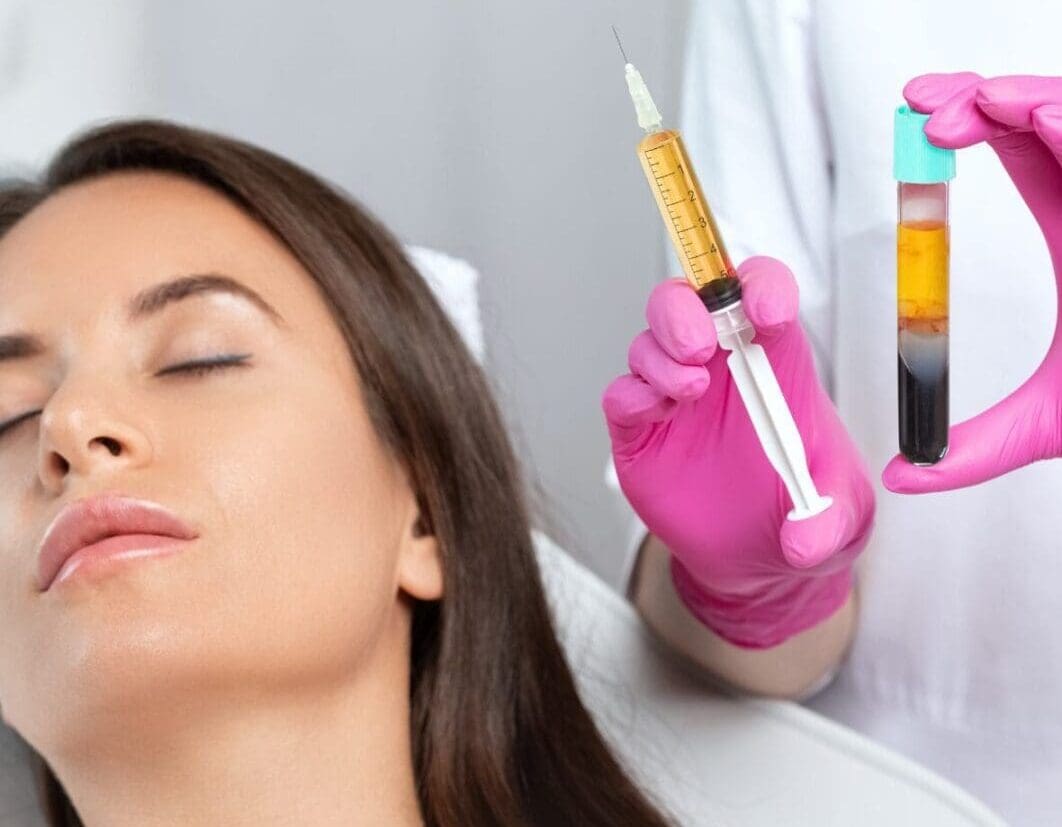
Platelet-Rich Plasma, commonly known as PRP, is a regenerative treatment that uses a concentrated portion of your own blood.
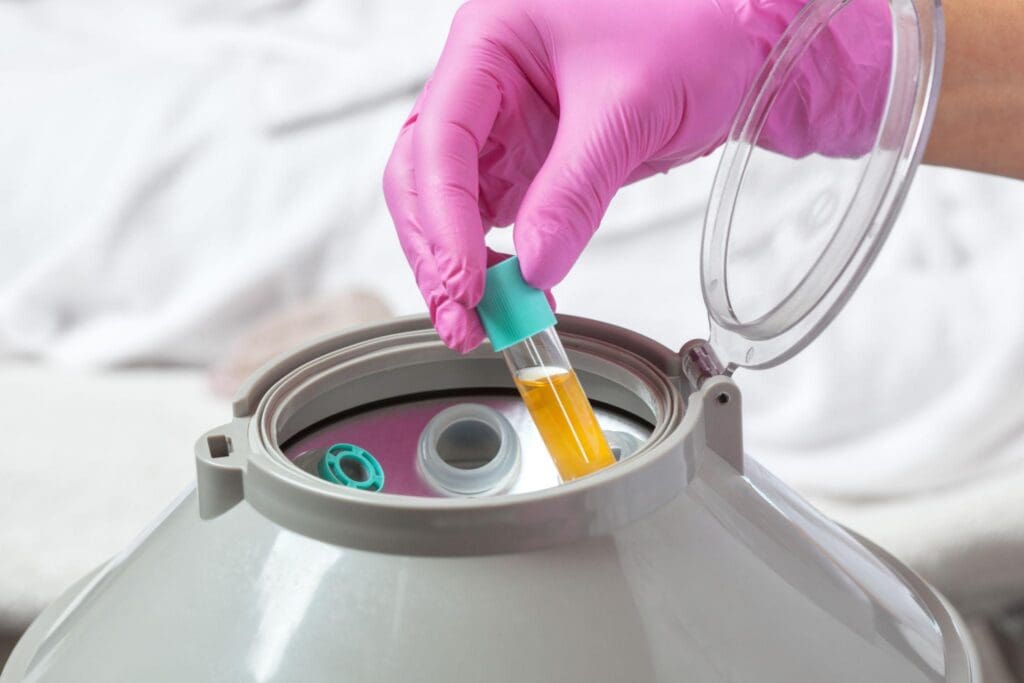
The process begins with a small blood draw. The sample is placed in a centrifuge, which separates the blood components and concentrates the platelets within the plasma.
Platelets naturally contain growth factors and signaling proteins involved in the body’s healing and tissue-repair processes.
Once prepared, the concentrated PRP can be administered to targeted areas depending on the treatment goals.
Common applications of PRP include:
- Hair restoration and support for certain types of hair thinning.
- Skin rejuvenation and improvement in overall skin appearance.
- Supporting collagen production and skin quality.
- Complementing certain microneedling and aesthetic treatments.
Because PRP comes from your own blood, it is considered an autologous treatment, meaning it uses your body’s own biological material.
What Is PRF (Platelet-Rich Fibrin)?
Platelet-Rich Fibrin, or PRF, is another regenerative treatment that uses your own blood but is prepared differently from PRP.
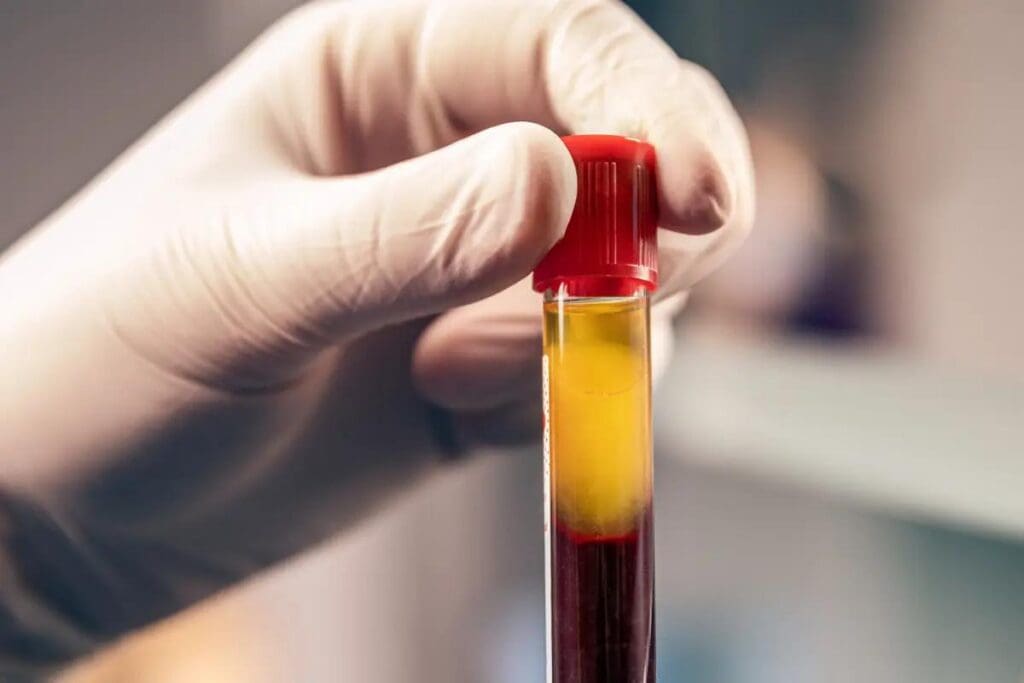
Like PRP, the process begins with a blood draw. However, PRF is typically processed without anticoagulants and uses a specific centrifugation protocol to create a fibrin-rich matrix.
Fibrin is a naturally occurring protein involved in blood clotting and tissue repair. This fibrin structure can trap platelets and other blood components, allowing growth factors to be released over time.
Depending on the preparation method, PRF may also contain white blood cells and other components involved in the body’s natural healing response.
Potential applications of PRF include:
- Supporting skin rejuvenation.
- Improving the appearance of certain areas affected by volume loss.
- Supporting hair restoration treatments.
- Complementing other regenerative aesthetic procedures.
PRF is often discussed as a next-generation approach to platelet-based regenerative treatments because of its fibrin structure and sustained growth-factor release.
However, that does not automatically mean PRF is better for every patient or every treatment goal.
PRP vs. PRF: What Are the Main Differences?
Although both treatments use your own blood, there are some important differences in how they are prepared and how they work.
| Feature | PRP | PRF |
|---|---|---|
| Full name | Platelet-Rich Plasma | Platelet-Rich Fibrin |
| Preparation | Typically uses anticoagulants | Typically prepared without anticoagulants |
| Structure | Liquid plasma concentrate | Fibrin-rich matrix |
| Growth factor release | Generally more immediate | Can provide more gradual release |
| Common applications | Hair and skin treatments | Skin, hair, and selected regenerative applications |
One of the biggest differences is the fibrin matrix found in PRF. This structure helps create a framework that can retain platelets and release growth factors over a longer period.
PRP, on the other hand, is a liquid preparation that can be used in a variety of treatment applications.
The best option depends on the patient’s goals, treatment area, and the provider’s assessment.
Which Treatment Is Better for Skin Rejuvenation?
Both PRP and PRF can be incorporated into aesthetic treatments designed to support healthier-looking skin.
As we age, collagen production naturally declines. This can contribute to fine lines, changes in skin texture, reduced elasticity, and a loss of youthful appearance.
PRP and PRF contain biological components involved in tissue repair and regeneration. When used appropriately, they may help support improvements in skin quality and overall appearance.
PRP may be considered for:
- Complementing microneedling treatments.
- Improving the appearance of skin texture.
- Supporting a more refreshed complexion.
PRF may be considered for:
- Supporting skin rejuvenation.
- Addressing selected areas where improved skin quality or subtle volume enhancement is desired.
- Complementing certain regenerative aesthetic procedures.
The right treatment depends on the area being addressed and the results you’re hoping to achieve.
It’s also important to understand that neither treatment replaces dermal fillers, laser treatments, or other aesthetic procedures when those treatments are better suited to a patient’s goals.
What Can You Expect During a PRP or PRF Treatment?
One benefit of both PRP and PRF is that they use your own blood rather than synthetic materials.
While the exact process varies depending on the treatment, a typical appointment includes:
1. Consultation
Your provider will discuss your concerns, medical history, treatment goals, and whether PRP or PRF may be appropriate.
2. Blood Collection
A small amount of blood is drawn from your arm.
3. Processing
Your blood sample is placed in a specialized centrifuge to separate and prepare the desired components.
4. Treatment
The prepared PRP or PRF is administered to the designated treatment area using the appropriate technique.
5. Aftercare
Your provider will give you specific post-treatment instructions and explain what to expect during recovery.
Most patients can return to their normal daily activities relatively quickly, although temporary redness, swelling, tenderness, or bruising may occur depending on the treatment area and technique.
How Many Treatments Will You Need?
Some patients may benefit from a series of treatments, while others may have different maintenance recommendations based on their goals and response.
For skin rejuvenation, the number of treatments depends on the area being treated, the patient’s skin condition, and whether PRP or PRF is being combined with another procedure.
Your provider can develop a personalized treatment plan based on your needs.
Are PRP and PRF Safe?
Because both treatments use your own blood, the risk of an allergic reaction to the material itself is generally low.
However, they are still medical procedures and are not appropriate for everyone.
Potential side effects include:
- Temporary swelling.
- Bruising or tenderness.
- Redness at the injection or treatment site.
- Discomfort during or after treatment.
- Infection or other procedure-related complications.
Certain medical conditions, blood disorders, active infections, and medications may affect whether someone is a suitable candidate.
A professional consultation and review of your medical history are important before beginning treatment.
PRP vs. PRF: Finding the Right Approach for Your Goals
So, which treatment should you choose?
The answer depends on what you’re hoping to accomplish.
PRP and PRF both offer ways to use your body’s own biological components in regenerative aesthetic treatments. PRP has a longer history of clinical research in certain applications, while PRF offers a different preparation method and fibrin-based structure that may be beneficial in selected situations.
Neither is universally better. The most important thing is choosing an approach that aligns with your individual needs, treatment goals, and medical history.
At the Center for Regenerative & Aesthetic Wellness, we believe in personalized care and helping patients understand their options before moving forward with treatment.
Ready to Explore PRP or PRF?
You don’t have to navigate the world of regenerative treatments on your own.
Whether you’re interested in skin rejuvenation, or learning more about the benefits of regenerative aesthetics, the Center for Regenerative & Aesthetic Wellness is here to help you explore your options.
Schedule a consultation with our team today to discover whether PRP or PRF may be a good fit for your aesthetic and wellness goals.
Let’s work together toward helping you look and feel your best!
Call to set up a consultation (941) 893-4688
