



Dermal Fillers 101: Everything You Need to Know Before Your First Treatment
Have you noticed changes in your facial fullness, definition, or overall appearance? As we age, our skin naturally loses collagen, elasticity, and volume. These changes can contribute to hollow-looking cheeks, thinning lips, deeper facial folds, and a general loss of facial definition.
Dermal fillers offer a nonsurgical option for addressing certain age-related changes and enhancing your natural features. Whether you’re considering adding subtle volume to your lips, restoring fullness to your cheeks, or softening the appearance of certain facial lines, understanding how injectable treatments work is the first step toward making an informed decision.
What Are Dermal Fillers?
Dermal fillers are injectable gel-like substances used to restore lost volume, enhance facial contours, and soften the appearance of certain wrinkles and folds.
Many commonly used dermal fillers are made with hyaluronic acid (HA), a substance naturally found in the body that helps maintain skin hydration and fullness.
Depending on the product selected and the area being treated, fillers can help create subtle enhancements while maintaining your natural facial proportions.
What Types of Injectable Treatments Does the Center for Regenerative & Aesthetic Wellness Offer?
At the Center for Regenerative & Aesthetic Wellness, we offer several injectable treatment options to address different aesthetic concerns and goals, including JUVÉDERM®, PRP (Platelet-Rich Plasma), and PRF (Platelet-Rich Fibrin).
Although all three involve injectable treatments, they work differently and serve different purposes.
JUVÉDERM®
JUVÉDERM® is a collection of hyaluronic acid-based dermal fillers designed to restore volume, enhance facial contours, and soften the appearance of certain facial lines and folds. Different formulations are designed for specific treatment areas and aesthetic goals.

PRP (Platelet-Rich Plasma)
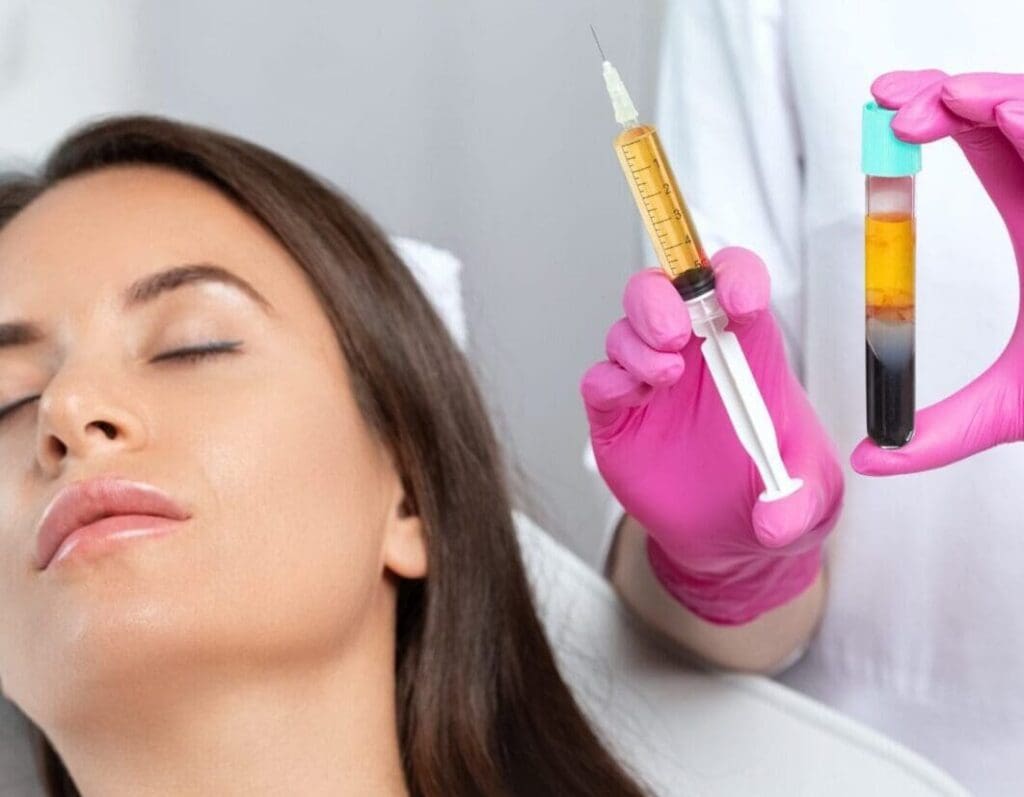
PRP is a treatment that uses a concentrated portion of your own blood containing platelets and growth factors. In aesthetic applications, PRP may be used as part of a treatment approach intended to support skin rejuvenation and improve the appearance of skin quality.
PRF (Platelet-Rich Fibrin)
PRF is a platelet- and fibrin-rich preparation derived from your own blood. It contains platelets, fibrin, and growth factors and is used in certain aesthetic applications as part of a tissue rejuvenation approach.
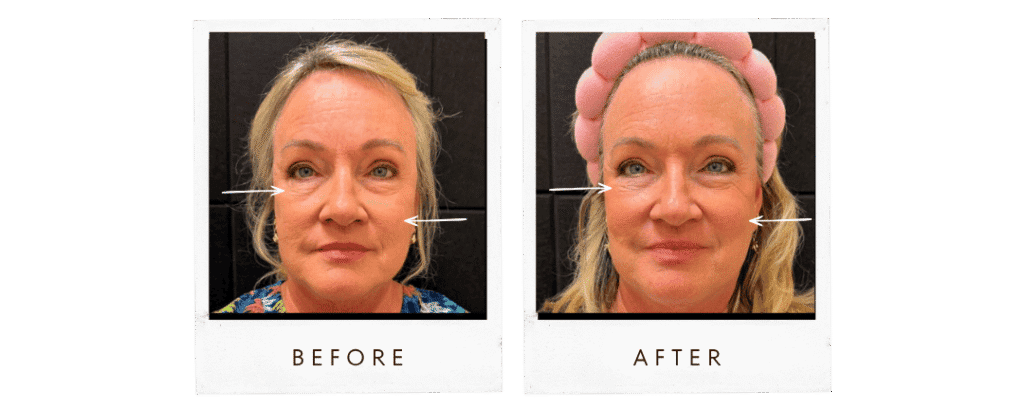
Each treatment offers a different approach to aesthetic care. During your consultation, your provider can discuss the available options and help determine which approach is appropriate for your individual concerns and goals.
What Areas Can Dermal Fillers Treat?
Dermal fillers are versatile and can be used in several areas of the face. Treatment is customized based on your facial anatomy, concerns, and desired results.
Common treatment areas may include:
- Lips: Add volume, improve definition, and enhance lip shape.
- Cheeks: Restore volume and improve the appearance of midface fullness.
- Nasolabial Folds: Soften the appearance of lines that extend from the sides of the nose toward the corners of the mouth.
- Chin: Improve chin projection and facial balance.
- Jawline: Enhance the appearance of definition and contour.
Not every filler is appropriate for every area. Treatment options and appropriate injection areas vary depending on the specific product and its approved indications. Your provider will determine the appropriate treatment approach based on your anatomy, goals, and medical history.
Who Is a Good Candidate for Dermal Fillers?
You may be interested in exploring dermal fillers if you:
- Have noticed a loss of facial fullness with age.
- Would like to enhance your lips.
- Want to improve the appearance of certain facial folds.
- Are interested in improving facial contours.
- Prefer a nonsurgical approach to facial rejuvenation.
However, not everyone is an appropriate candidate for dermal filler treatment.
Certain medical conditions, allergies, medications, bleeding disorders, and active infections may affect whether treatment is appropriate. Your medical history, previous filler treatments, and individual aesthetic goals should all be discussed during your consultation.
Be sure to disclose any allergies, medications, previous cosmetic procedures, and relevant medical conditions to your provider before treatment.
What Happens During a Dermal Filler Appointment?
While every treatment plan is different, the process generally includes the following steps:
1. Consultation
Your provider will discuss your concerns, review your medical history, assess your facial anatomy, and learn about the results you’re hoping to achieve.

2. Personalized Treatment Plan
Based on your goals and facial structure, your provider will determine whether treatment is appropriate and recommend a suitable product and treatment approach, including the amount of filler, if indicated.
3. Preparation and Treatment
The treatment area is cleansed, and a topical numbing agent may be used when appropriate. The filler is then carefully injected into the planned areas using the provider’s selected injection technique.
4. Aftercare Instructions
Your provider will explain what to expect following treatment and provide specific instructions to help support recovery. You will also be informed about potential complications and when to seek medical attention.
How Long Do Dermal Fillers Last?
One of the most common questions patients ask is how long their dermal filler results will last.
The answer depends on several factors, including:
- The specific type and brand of filler used.
- The area being treated.
- The amount of filler injected.
- Your individual metabolism.
- Your body’s natural response to the product.
Depending on the product and treatment area, some fillers may last several months, while others may provide results for a year or longer.
Your provider can discuss the expected duration of the recommended product and treatment during your consultation. Periodic reassessment can help determine whether additional treatment is appropriate.
What Should You Expect After Treatment?
Some temporary side effects are common after dermal filler injections. These may include:
- Swelling
- Bruising
- Redness
- Tenderness
- Mild discomfort at the injection site
These effects generally improve over the following days to weeks, although recovery varies depending on the individual, product, and treatment area.
Your provider will give you specific aftercare instructions. Avoid manipulating the treated area unless your provider specifically directs you to do so.
Understanding the Potential Risks of Dermal Fillers
Although dermal fillers are commonly performed aesthetic treatments, they are not without risks.
In addition to temporary side effects, more serious complications can occur. These may include infection, allergic reactions, vascular occlusion (blockage of a blood vessel), tissue damage or skin necrosis, vision impairment or blindness, and, in rare cases, stroke.
Before treatment, your provider should discuss potential risks, answer your questions, and explain the practice’s approach to recognizing and managing complications.
Are You Ready to Explore Dermal Fillers?
Whether you’re interested in restoring lost volume, enhancing your lips, or improving facial definition, dermal fillers may offer an option worth exploring.
At the Center for Regenerative & Aesthetic Wellness, we believe every aesthetic journey should begin with a personalized approach. Our team can help you understand your options, discuss potential benefits and risks, and determine whether dermal fillers align with your individual goals.
You don’t have to make all the decisions on your own. A consultation is a great opportunity to ask questions, explore your options, and learn what may be right for you.
Ready to take the next step?
Schedule a consultation to learn more about dermal fillers and discover a treatment approach designed around you.
