


Say Goodbye to Sunspots: IPL for Sun Damage and Hyperpigmentation
If you’re looking to address sunspots and other sun damage, Intense Pulsed Light (IPL) therapy is a game-changer. This innovative treatment not only helps to reduce the appearance of sunspots but also promotes a more even skin tone and rejuvenates the skin overall. With its ability to target pigmentation and enhance skin texture, IPL has become a go-to option for those seeking clearer, healthier skin. Say goodbye to sunspots and hello to a radiant complexion with IPL therapy!
How Venus Versa IPL Removes Hyperpigmentation
Intense Pulsed Light (IPL) is a non-invasive light-based treatment that targets unwanted pigment in the skin, helping to reduce sun spots, age spots, freckles, and certain types of hyperpigmentation.
How IPL Works
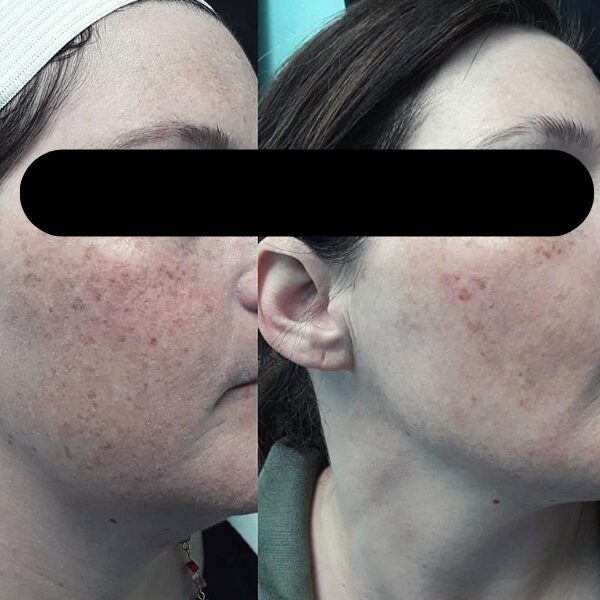
IPL delivers broad-spectrum pulses of light into the skin. The light is selectively absorbed by melanin, the pigment responsible for dark spots.
Step 1: Light Targets the Pigment
The excess melanin in hyperpigmented areas absorbs the IPL energy more readily than the surrounding skin, a contrast in your skin tone to the pigmented spots is the best scenario for the best outcome.
Step 2: Pigment Heats Up
The absorbed light converts to heat, causing the pigmented cells to break apart.
Step 3: Natural Removal
The body’s immune system gradually clears away the fragmented pigment particles over the following days and weeks.
Step 4: Dark Spots Rise and Flake Off
Immediately after treatment, pigmented lesions often appear darker. This is sometimes called the “coffee grounds effect or peppering.”
Over the next 7–14 days:
- Pigmented spots darken
- Rise toward the skin surface
- Flake away naturally
As the pigment sheds, the complexion appears more even and brighter. Additionally, there is a slight skin-tightening effect with IPL, which is an added bonus!
Conditions IPL Treats Well
IPL is most effective for:
- Sun damage
- Age spots
- Freckles
- Solar lentigines
- Uneven skin tone
- Redness associated with rosacea
- Broken capillaries
Best Candidates
IPL generally works best on:
- Fair to medium skin tones (Fitzpatrick I-III, and some IV)
- Patients with sun-induced pigmentation
What Patients Can Expect During Treatment
During Treatment
- A cooling gel may be applied.
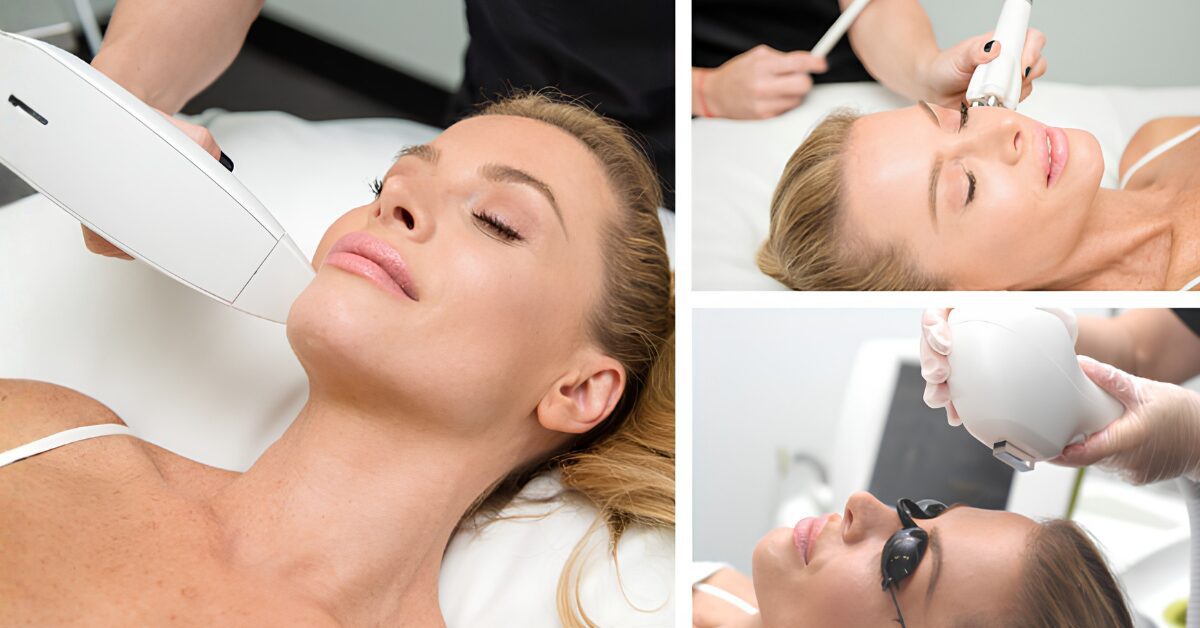
- The handpiece delivers quick flashes of light and also delivers coolness to the skin via the crystal applicator tip.
- Patients often describe the sensation as a rubber band snap.
Immediately After
- Mild redness similar to a sunburn
- Slight swelling
- Darkening of pigmented spots
Recovery
- Minimal downtime
- Makeup can often be worn the next day
- Dark spots typically flake off within 1–2 weeks
How Many Treatments Are Needed?
The number of treatments depends on the severity of pigmentation.
Typical recommendations:
- Mild pigmentation: 1–3 treatments
- Moderate pigmentation: 3–5 treatments
- Significant sun damage: 4–6 treatments
Treatments are usually spaced about 3–4 weeks apart.
Important Aftercare
Patients should:
- Wear broad-spectrum SPF 30–50 daily
- Avoid direct sun exposure
- Avoid tanning beds
- Keep skin moisturized after the first 24 hours
- Avoid picking or scrubbing darkened spots
Sun protection is critical because UV exposure can cause pigmentation to return.
Ready to learn more about IPL? Schedule a consultation to learn which skin tightening treatments are best suited for your unique goals and areas of concern. (941) 893-4688
